
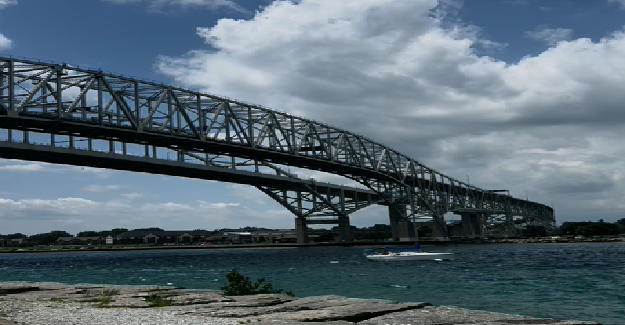
Introduction: Where Human Ingenuity Meets Water
There is something captivating about watching water flow beneath a massive steel structure. Whether it’s a bustling waterway filled with pleasure boats, soaring seabirds, or people enjoying an afternoon walk along a waterfront park, bridges do more than transport vehicles from one side of a river or channel to another. They are monumental achievements of civil engineering, blending functional design with aesthetic beauty.
Among the various types of spans found around the world, twin bridges—where two distinct bridge structures run parallel to handle traffic in opposite directions—represent an interesting development in modern transportation planning. By examining how these engineering feats are built, maintained, and integrated into coastal or riverside environments, we can better appreciate the structural physics that keeps our communities connected.
The Evolution of Steel Bridge Architecture
To understand how modern twin bridges work, it’s helpful to look at the structural designs that make them possible. Over the last century, bridge building has evolved from riveted steel trusses to complex tied-arch and box-girder systems.
- Cantilever and Through-Truss Designs
Early 20th-century steel bridges often featured cantilever through-truss designs. These structures rely on interconnected triangular steel frames (trusses) to spread load forces throughout the framework.
Tension and Compression: As weight moves across the deck, the top members experience tension while the bottom members handle compression. This arrangement ensures structural stability.
Aesthetic Profile: Characterized by geometric steel latticework, these bridges offer a classic industrial silhouette that has shaped waterfront skylines for generations.
- Continuous Tied-Arch Spans
As traffic demands increased in the late 20th century, engineers frequently added secondary spans next to historic originals. Instead of replicating the old truss design, modern twin spans often use a continuous tied-arch system.
How It Works: In a tied-arch bridge, the outward-pushing forces of the arch are restrained by a tie, usually the deck itself, which connects the ends of the arch.
Visual Harmony: Engineers design these companion bridges to ensure their curve mirrors or complements the original span without overshadowing its historical character.
Why Cities Build Twin Spans
Building a second parallel bridge alongside an existing structure is a strategic decision that addresses several civil engineering challenges:
Traffic Capacity Expansion: As urban centers grow, two-lane bridges can quickly become bottlenecks. Adding a parallel span doubles or triples lane capacity without needing entirely new land corridors on either shore.
Maintenance Flexibility: Major maintenance on a single bridge often requires full lane closures, causing severe traffic delays. With a twin span, traffic can be diverted onto one bridge while the other undergoes thorough structural repair.
Preservation of History: Twinning allows civil planning authorities to preserve historic steel truss bridges instead of demolishing them to build a larger single structure.
The Life Cycle of Waterfront Infrastructure
Building over open water presents unique environmental and engineering challenges. High winds, fluctuating water currents, and constant exposure to humidity require strict engineering standards.
1. Upper Steel Superstructure (Trusses / Arches)
2. Load-Bearing Bridge Deck
3. Concrete Piers & Abutments in Waterway
4. Bedrock Foundations / Deep Piling
Corrosion Resistance and Maintenance
Steel structures exposed to river and lake environments need constant protection against rust. Engineers use epoxy coatings, sacrificial anodes, and weather-resistant steel alloys to ensure structural integrity over decades. Regular ultrasonic testing and manual inspections confirm that every rivet, weld, and joint remains secure.
The Role of Waterfront Public Spaces
From a community viewpoint, the areas surrounding major bridge footings often become vibrant public parks. Greenways, stone breakwaters, and walking paths allow residents to enjoy recreational boating, birdwatching, and waterfront breezes while admiring the sheer scale of the engineering above.
Conclusion: Bridging the Past and Future
Steel twin bridges are more than just transit corridors; they are symbols of human ingenuity and regional connectivity. The combination of a mid-century steel truss alongside a sleek late-20th-century tied arch creates a visual timeline of engineering history. The next time you relax by the water and watch boats glide beneath a massive structural span, take a moment to appreciate the incredible physics, design, and history that holds it all together.