
There is an undeniable appeal to grassroots motorsport. Long before the high-tech tools and multi-million-dollar teams of Formula 1 or NASCAR take the spotlight, local stock car racing showcases true automotive passion. Every weekend across North America, local tracks resonate with the roar of V8 engines, the smell of burning race fuel, and the grit of dirt kicked up by the cars.
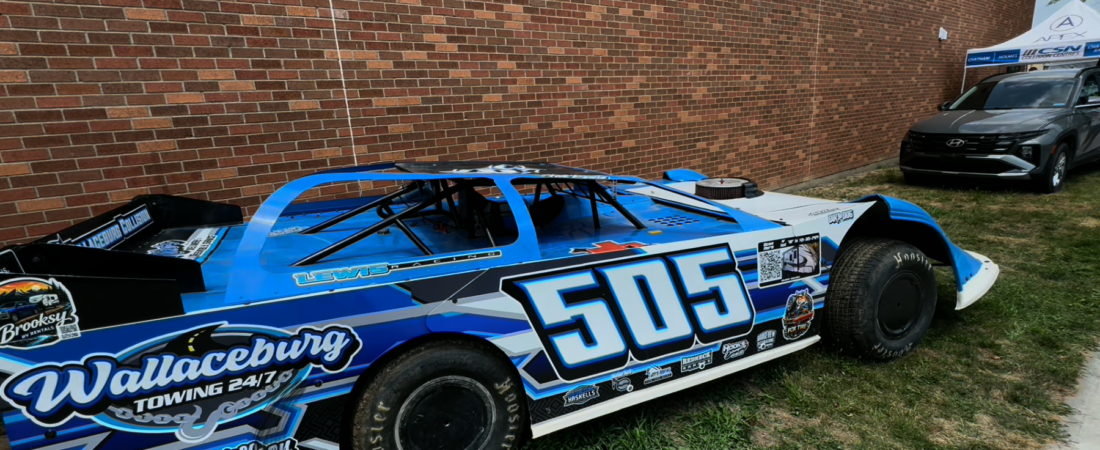
A recent event in Wallaceburg, Ontario highlights this passionate community. Featuring a bright blue dirt late model/stock car with the entry number #505, sponsored by local businesses like Wallaceburg Towing 24/7, a seasoned driver offers candid insights into what it takes to get behind the wheel. From the real costs of building or buying a chassis to the demands of driving at age 53, this close look provides a captivating glimpse into local motor racing culture.
Whether you are an aspiring driver, a car enthusiast, or a fan of local sports, this breakdown explores the aspects that make local stock car racing special.
- Up Close with the #505 Wallaceburg Stock Car
When you first see the #505 race car in Wallaceburg, its design immediately captures your attention. Unlike shiny street cars or sleek hypercars, a dirt track stock car is built for one purpose: speed and durability on challenging oval tracks.
Key Visual & Mechanical Features:
- Aerodynamic Wedge Bodywork: The bright blue and white wrap isn’t just for aesthetics. The sloped hood, aggressive side panels, and raised rear spoiler are designed to increase downforce, helping the tires grip dirt or asphalt corners.
- Reinforced Steel Roll Cage: Visible through the open side window (dirt race cars typically lack glass windows for high-strength safety nets), the heavy steel frame provides a safety cell that protects the driver during collisions or rollovers.
- Hoosier Racing Tires: These specially made racing tires have grooves designed to dig into dirt surfaces, ensuring traction during drifting.
- Engine & Air Intake Setup: A high-performance air cleaner sits near the hood, supplying air to a powerful V8 engine designed for quick throttle response.
- Community Sponsorships: Local business logos, especially Wallaceburg Towing 24/7 and Dave Willson Construction, cover the body of the car. These sponsors are essential for supporting local racing teams.
- The Financial Reality: What Does Grassroots Racing Really Cost?
One surprising moment from the feature is when the 53-year-old driver shares the hard facts about the costs of local stock car racing.
“The biggest thing is either buying a car or building one or finding a pre-built one. It costs a lot of money. That car there is probably around $17,000 to $18,000.”
For newcomers, a price of $17,000 to $18,000 CAD/USD for a ready-to-race local car might seem either reasonable or daunting. However, this cost falls within the competitive entry-level to intermediate range for modern racing.
The Build vs. Buy Dilemma
For those entering the sport, there are three main ways to get a race-ready vehicle:
Path A: Building from Scratch (Fabrication)
- Pros: Complete control over every aspect, from welds to engine components, with customization tailored to the driver.
- Cons: Requires hundreds of hours in metal fabrication, knowledge of welding, engine tuning skills, and specialized tools.
- Cost Factor: While you can spread material costs over time, hidden expenses for custom tools and safety certifications often exceed initial budgets.
Path B: Purchasing Pre-Built / Turn-Key Used
- Pros: Immediate track readiness. Often comes with setup notes, spare tires, and established suspension settings.
- Cons: May show wear and tear from previous seasons, so inspection of frame alignment and engine condition is necessary.
- Cost Factor: Typically $15,000 to $20,000, offering good value for those wanting to get on the track quickly.
Path C: Buying a Rolling Chassis & Fitting an Engine
- Pros: Allows pairing a new or refreshed engine with a proven chassis.
- Cons: Requires mechanical skills to align driveshafts, adjust transmission clearances, and wire the ignition.
- Beyond the Purchase Price: The Ongoing Costs of a Racing Season
Buying a car for about $18,000 is just the beginning. Running a full season of Saturday night racing involves various ongoing costs that every team must account for.
Expense Category Estimated Seasonal Cost Range
- Race Fuel: $1,200 – $2,500
(110+ octane fuel or alcohol/methanol, depending on regulations.) - Tires & Compounds: $2,000 – $4,500
(Fresh tires wear out quickly on rough dirt tracks, often needing 2-4 per race weekend.) - Maintenance & Repairs: $1,500 – $3,500
(Costs for replacing bent suspension, damaged panels, and shock rebuilds.) - Safety Gear: $1,000 – $2,500 (One-time/Periodic)
(Includes fire suits, helmets, gloves, racing boots, and harnesses.) - Hauling & Logistics: $1,000 – $2,000
(Includes trailers, truck fuel, pit pass fees, and track registration.)
- Age Is Just a Number: Racing at 53 and Beyond
An inspiring aspect highlighted by the Wallaceburg driver is age. At 53, he still pilots his powerful machine on dirt tracks, showing that motorsport is one of the few athletic activities where experience can often outshine youth.
Physical & Mental Demands of Stock Car Racing
- Heat Endurance: Temperatures inside the steel chassis with a roaring V8 can easily exceed 120°F (49°C).
- G-Force Stamina: Cornering on banked tracks puts stress on the driver’s neck, shoulders, and core during multiple laps.
- Split-Second Reflexes: Maneuvering through crowded traffic in dust requires immediate awareness and quick steering adjustments.
For experienced drivers, racing keeps the mind active and the body fit. The camaraderie in the pit area—where teams share tools and advice—creates a community that supports racers into their 50s, 60s, and beyond.
- The Heartbeat of Wallaceburg: Community & Local Sponsorships
Local stock car racing cannot thrive alone. Unlike multi-million-dollar racing leagues backed by large corporations, community dirt tracks depend on local business partnerships.
In Wallaceburg, seeing names like Wallaceburg Towing 24/7 on the #505 car symbolizes a mutual benefit:
- For Local Businesses: Sponsoring a race car puts their brand in front of thousands of local fans each week, building goodwill and loyalty.
- For Racing Teams: Local sponsorship helps cover crucial costs like fuel and tires, keeping their passion projects affordable.
- For the Town: Events like car displays bring the community together, igniting enthusiasm among kids and boosting local tourism.
- How to Get Started in Local Dirt Track Racing
If the #505 inspires you to pursue motorsport, here’s a step-by-step guide for beginners:
- Visit Your Local Tracks: Spend weekends in the pits at places like Southern Ontario Motor Speedway. Talk to drivers, builders, and crew members.
- Start in an Entry-Level Class: Begin with classes like 4-Cylinder Mini-Stocks or Pure Stocks before jumping into higher horsepower models.
- Invest in Safety First: Don’t skimp on equipment. A quality helmet, fire suit, and head restraint are crucial, more so than extra engine power.
- Partner with Experienced Teams: Working with a seasoned team for a season offers invaluable hands-on learning about setups, tire pressures, and track conditions.
Final Thoughts: The Unbreakable Spirit of Local Motorsport
The blue #505 stock car in Wallaceburg is more than an $18,000 machine made of steel and aluminum. It’s a symbol of hundreds of hours of passion, community support, and the thrill of competition. As grassroots racing continues to thrive in towns throughout Southwestern Ontario and beyond, stories like these remind us why short-track racing remains at the heart of automotive culture.
Author & Creator: Alf Blop
YouTube Channel: Alf Blop
Copyright: © All Rights Reserved by Alf Blop. Unauthorized reproduction or redistribution of this content without explicit written permission is strictly prohibited.