
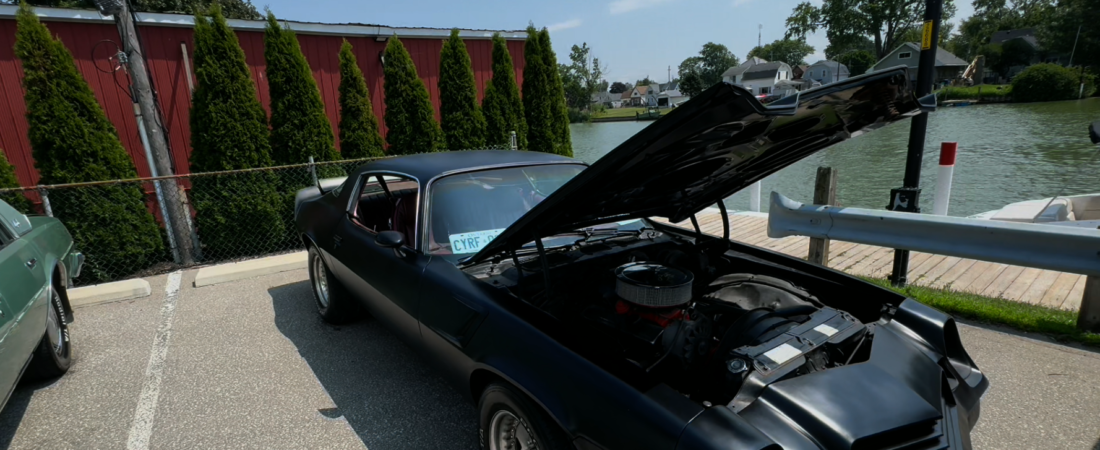
There is an undeniable allure to classic muscle cars that modern automotive engineering simply cannot replicate. In an era dominated by sleek electric vehicles, digital gauge clusters, and whisper-quiet engines, stepping back into the golden age of American performance offers a raw, visceral experience that speaks straight to the soul of every automotive enthusiast. A prime example of this enduring heritage is showcased in the featured video [00:00], where a striking, matte black late-1970s Chevrolet Camaro Z28 takes center stage at a picturesque waterfront car showcase.
This detailed exploration dives into the design, mechanical soul, and timeless appeal of the second-generation Chevrolet Camaro, dissecting why these muscle cars continue to captivate collectors, restorers, and car lovers around the globe.
- The Iconic Aesthetic: A Masterclass in Muscle Car Design
When you first look at the featured Chevrolet Camaro Z28, its aggressive presence commands attention immediately [00:10]. Painted in a deep, satin matte black finish, the car exudes a menacing, stealth-like vibe that contrasts beautifully with traditional glossy restorations.
The Second-Generation Silhouette
Introduced in 1970 and produced through 1981, the second-generation Camaro underwent several aesthetic evolutions. The late-1970s models, featured in this showcase, represent a fascinating period in muscle car history. Key visual hallmarks include:
Aerodynamic Front End: The sloped nose featuring integrated urethane bumpers gave the car an aggressive, forward-thrusting stance.
Fender Vents & Hood Scoop: Purposeful styling cues designed to channel air and hint at the powerful V8 engine residing underneath [00:13].
Three-Piece Rear Spoiler: The rear deck lid spoiler [00:50] seamlessly blends into the quarter panels, giving the vehicle its iconic fastback profile.
Wide Stance & Muscle Tires: Mounted on classic multi-spoke wheels, the beefy tires fill out the wheel wells perfectly, promising raw traction on the open road.
The matte finish highlighted in the video showcases every line and contour of the bodywork. Unlike high-gloss paint that reflects light everywhere, matte finishes absorb light, highlighting the long hood, short deck, and muscular rear haunches that define classic pony car proportions.
- Under the Hood: Pure Mechanical Soul
A classic muscle car is only as good as what powers it, and as the hood is propped open [00:01], we get a clear view of the heart of this beast.
The Legendary Small-Block V8
At the core of this classic Chevrolet is a traditional American Small-Block V8 engine [00:15]. During the late 1970s, strict emissions regulations and the oil crisis forced automakers to adapt, but car enthusiasts have spent decades unlocking the full, unrestricted potential of these engines through tasteful aftermarket modifications.
Notable Engine Highlights Featured in the Video:
Chrome Air Cleaner Assembly: Sitting proudly atop the carburetor, the polished chrome air cleaner [00:17] features an open-element design, allowing the engine to breathe freely while adding a touch of classic engine-bay sparkle.
Red-Painted Engine Block & Valve Covers: The vibrant red paint on the intake manifold and valve covers [00:18] creates a striking visual contrast against the dark engine bay and the chrome components.
Upgraded Cooling & Ignition: Featuring an upgraded radiator setup, high-output alternator, and heavy-duty hoses, this build ensures that the high-displacement V8 runs cool and reliable even during summer car meets.
Headers and Exhaust Setup: Upgraded exhaust headers visible alongside the engine block hint at a deep, throaty V8 rumble that can only come from American iron.
Unlike modern engines hidden beneath plastic engine covers, this V8 is on full display. Every hose, belt, wire, and mechanical linkage is visible, inviting hobbyists to tinker, tune, and appreciate the mechanical simplicity and elegance of classic engineering.
- Step Inside: A Time Capsule Interior
As the camera pans toward the interior [00:27], viewers are treated to a stunning contrast: a rich, deep burgundy/maroon leather and vinyl interior that perfectly complements the matte black exterior.
Vintage Interior Features:
Deep Bucket Seats: Styled in classic period-correct vinyl with distinct vertical stitching [00:31], offering supportive side bolsters for spirited driving.
Driver-Centric Cockpit: The dash cluster is angled toward the driver [00:38], housing round analog gauges for speed, RPM, oil pressure, and fuel levels-no digital screens, just pure mechanical feedback.
Floor-Mounted Shifter: A classic floor shifter topped with a round shift knob [00:41] sits atop the center console, putting control directly into the driver’s hands.
Three-Spoke Sport Steering Wheel: The iconic Chevrolet sport steering wheel [00:36] provides a direct connection to the front wheels, offering raw steering feel without modern electronic interference.
Sitting inside a vehicle like this is an immersive experience. The smell of classic leather and fuel, the feel of heavy steel switches, and the view down that long, sculpted hood create a driving atmosphere that modern cars simply cannot replicate.
- Why Classic Muscle Cars are More Popular Than Ever
The appreciation for cars like this second-generation Z28 goes beyond mere nostalgia. In today’s automotive market, vintage cars are experiencing a massive resurgence in popularity due to several key factors:
A. Investment Value & Collectibility
Classic automobiles have proven to be strong tangible assets. As fewer well-preserved models remain on the road, demand for solid second-generation Camaros continues to rise. Whether kept stock or built as a custom “resto-mod,” these vehicles hold and often increase their value over time.
B. The Joy of Hands-On Restoration
For DIY mechanics and automotive hobbyists, older vehicles offer an accessible platform for learning and customization. Without complex computer modules (ECUs), sensor networks, or specialized diagnostic software, working on a 1970s V8 engine can be done in a home garage with basic hand tools.
C. Community and Lifestyle
Owning a classic car opens the door to a vibrant global community. From local weekend “Cars & Coffee” meets [00:10] to major national cruise-ins, car owners share a common bond rooted in appreciation for craftsmanship, history, and driving passion.
- Tips for Owning and Maintaining a Classic Chevy Camaro
If watching this video inspires you to begin your own journey into classic car ownership, here are essential tips to keep in mind:
Inspect for Rust First: Check critical areas such as the floor pans, trunk drop-offs, rear quarter panels, and subframe mounts. Rust repair is often the most time-consuming part of any restoration.
Prioritize Mechanical Reliability: Before spending money on cosmetics, ensure the brakes, steering components, cooling system, and suspension are completely refreshed for safety.
Upgrade Wisely: Upgrades such as front disc brakes, modern radial tires, electronic ignition systems, and aluminum radiators can drastically improve drivability without sacrificing classic character.
Protect the Finish: Whether your car features high-gloss lacquer or a modern satin matte finish like the featured car, use specialized detail sprays and waxes designed specifically for your paint type to prevent oxidation and sun damage.
Conclusion: Driving History Forward
This stunning late-70s Chevrolet Camaro Z28 showcased at the docks [00:53] is more than just a car-it is a rolling piece of automotive art. It represents a era when car design was bold, engines were loud, and driving was an active, engaging thrill.
Whether you are an avid collector, a passionate restorer, or simply someone who appreciates timeless automotive craftsmanship, classic muscle cars remind us why we fell in love with driving in the first place. Explore the world of vintage automobiles, preserve the legacy, and experience the thrill of owning a piece of history!
Author & Creator: Alf Blop
YouTube Channel: Alf Blop
Copyright: © All Rights Reserved by Alf Blop. Unauthorized reproduction or redistribution of this content without explicit written permission is strictly prohibited.