
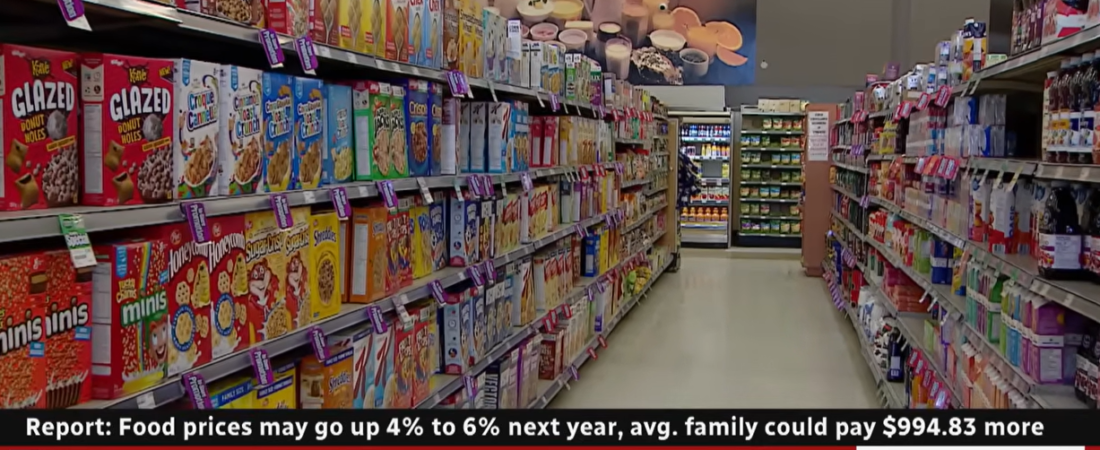
If you’ve noticed that your weekly trips to the grocery store are taking up a much bigger part of your paycheque, then you’re by no means alone. People in Canada and all over the world are experiencing a continuous increase in the cost of living. Soon after many families had hoped for some financial relief, the latest economic reports have shown that grocery prices are going to rise considerably all through 2026.
The reasons causing food prices to rise, such as decreasing livestock numbers and disruptions to the global supply chains, are becoming more complicated. The following examination looks at what is taking place in shops, explains why meat and fresh fruit and vegetable prices are seeing the biggest increases, and shows how this continuing environment of inflation is affecting families around the world.
The 2026 Grocery Forecast: What to Expect at the Supermarket
The most recent edition of Canada’s Food Price Report—which is published each year by researchers from Dalhousie University in collaboration with other leading Canadian academic institutions—predicts that food prices will rise by 4 to 6 per cent in 2026.
For an ordinary family of four, this rise means that they will have to spend almost $1,000 more each year just on food. On top of the cumulative price rises they have already experienced over the last three years, this financial strain is making it harder and harder for middle- and low-income households to cope with their budgets.
While overall grocery costs are rising, certain departments inside the supermarket will hit consumer wallets much harder than others:
The price of meat and poultry (an increase of 5 to 7 per cent) is the biggest single rise in prices that you see on the shelves of stores.
The yield and supply chains for fresh vegetables are still being affected by weather disruptions and higher transport costs, leading to an increase of 3 to 5 per cent.
The prices of dairy and bakery products have increased by between 3 and 5 percent due to higher costs associated with processing, packaging, and fuel.
Why are meat prices soaring?
The sharp increase in the prices of meat, especially that of beef and poultry, is due to long-term structural problems in the agricultural sector.
- The number of cattle being kept and a number of farms closing
A major factor responsible for the rapid rise in the price of beef is the decrease in the total number of livestock in the country. Because of high operating costs and the fact that older generations of ranchers have few, if any, younger people ready to take over the family ranching business, a large number of small and medium-sized cattle ranches have been forced to reduce their operations or have closed down entirely. As a result of there being fewer cattle, the supply of beef has become much more limited. - The impact on alternative proteins
When beef prices rise, customers naturally seek out cheaper alternatives at the butcher’s counter, such as ground pork and chicken. But the sharp increase in demand for these alternative proteins then has a chain reaction, causing the prices of chicken and poultry to go up too. - Higher costs are involved in processing, packaging, and logistics.
The situation is not merely one of supply at the farm level. The expenses involved in processing the meat, buying sanitary packaging and shipping perishable items in refrigerated trucks have risen considerably as a result of higher energy prices and labour shortages.
The Human Impact: The Rise of the “Working Poor”
The actual effects of continuing food inflation can be seen at community organisations and at non-profit food banks. In big metropolitan areas such as Toronto, food banks are experiencing record levels of demand.
A Sevenfold Increase in Demand
Food bank services such as those provided by the Fort York Food Bank in Toronto have been reported as serving between 7,000 and 7,200 people each week. Before the COVID-19 pandemic, the same location was only serving about 1,000 people per week, and provincial networks such as Feed Ontario have noted a period of nearly continuous growth in the use of food banks over a ten-year span.
Changing Demographics at Food Banks
In the past, the people who used food banks were mainly seniors on a fixed income or people who were unemployed. Now there has been a significant change in the demographic profile with it shifting towards young adults between the ages of 18 and 45.
So many of these people are part of the ‘working poor’—that is, individuals who have full-time or part-time jobs but still earn so little that they cannot keep up with the rapidly increasing cost of basic necessities. A minimum wage and low-level income is not sufficient to meet a typical household budget when the high cost of rent, utility bills and transport is added to the rising price of groceries.
The Global Picture: Why Inflation Persists Worldwide
The data shows the economic situation in Canada, but food inflation is part of a global cost-of-living crisis which is impacting millions of households in North America, in Europe and elsewhere.
Key Factors Driving Global Food Inflation
+————————–+——————————————————-+
| Global Factor | Key Drivers & Impact |
+————————–+——————————————————-+
| Extreme Weather Events | Droughts and floods have a damaging effect on the yields of coffee and cocoa. |
| Supply Chain Disruption | Major shipping routes are diverted due to geopolitical conflicts. |
When a currency weakens, the cost of imports goes up.
| High Energy and Inputs | The cost of farming goes up because of the high price of fuel and fertilizer. |
+————————–+——————————————————-+
Extreme weather patterns—such as long-duration droughts in South America and unusual floods in Asia and southern Europe—have severely damaged the harvests of important agricultural products including grains, sugar, olive oil, and coffee.
Because of continuing international conflicts, the usual shipping routes in areas like the Red Sea and the Black Sea have been disrupted. The need to take longer routes has led to higher marine insurance rates, greater fuel consumption, and increased import duties which are passed on to consumers.
Because central banks have kept their policy rates high in order to fight headline inflation, this has had the effect of slowing down some sectors while at the same time causing borrowing and the cost of mortgages to rise, which in turn forces landlords to increase their rents; as a result the cost of shelter goes up and families have less disposable income left for food.
Final Thoughts: Navigating an Expensive Future
Since inflation is persistent, higher prices on shop shelves have now become the new normal rather than a temporary spike. To cope with this, consumers are altering their shopping habits by buying in large quantities, opting for the store’s own private-label brands, switching to plant-based meals, and actively looking for weekly discount flyers.
In the years to come, meeting the requirements of food security and ensuring wage sustainability will still be one of the major socioeconomic challenges facing agricultural systems due to ongoing climate and demographic pressures.
REFERENCES:
Video: Food prices forecast to increase in 2026, with meat leading the way
Source: CBC News (Published December 4, 2025)
Summary: CBC News reports on the Dalhousie University annual food price forecast for 2026. The report predicts an overall food price increase of 4% to 6%, with meat prices rising by 5% to 7% due to rising processing costs and smaller herd sizes. The segment also explores the impact on local communities, featuring a report from Toronto’s Fort York Food Bank on how high food prices are driving record demand among working-age Canadians.