
Why do we seek out danger when we are travelling?
For centuries travel has been about peace, relaxation and getting away from the chaos of everyday life; tourists have looked for quiet beaches, serene mountain retreats and pretty historic cities in which they could relax. Yet in recent years there has been a huge change in global tourism habits. Nowadays a rapidly growing number of tourists are actively looking for exciting, frightening and genuinely terrifying experiences all over the world.
Extreme tourism has developed into a global industry worth many billions of dollars, involving activities such as dangling from huge cliffs and descending along near-vertical drops on specially designed supercoasters. People who are in search of thrills travel thousands of miles not in order to relax, but in order to challenge themselves, confront their greatest fears, and feel their survival instincts at work. Yet what is it that makes these risky activities so attractive? Psychologists believe that when extreme fear is overcome there is a strong release of endorphins and dopamine, which results in a truly unforgettable feeling of achievement.
This guide looks at some of the most extreme tourist destinations in the world, as well as stunning high-altitude sights and thrilling adventure locations, if you are the type of traveler who would rather have heart-racing excitement than spend a calm afternoon by the resort pool.
High-Altitude Thrills: Defying Gravity at Hundreds of Feet
Height is still the most common source of fear in humans, and amusement park designers, operators of adventure tourism, and developers of extreme sports take advantage of this fear by creating attractions that hang people over large empty spaces.
Giant Swings and Human Catapults
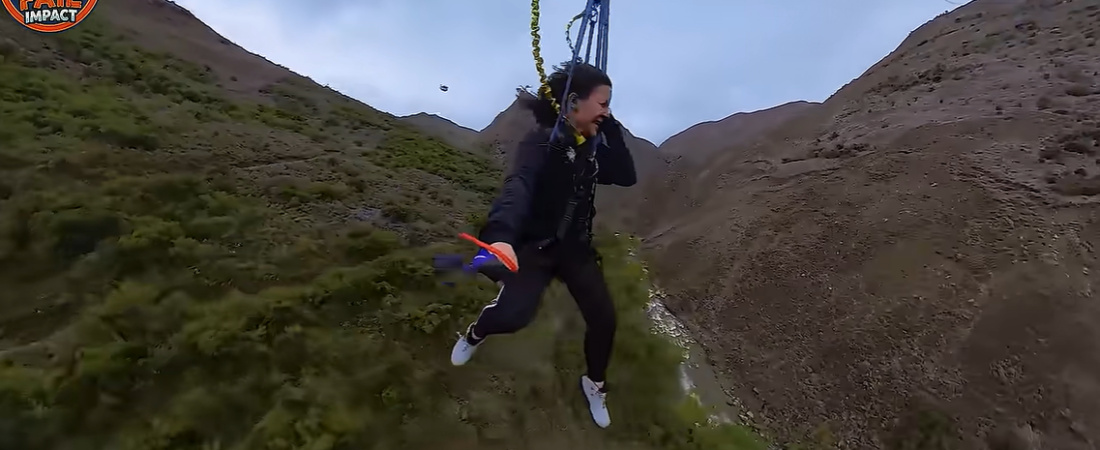
Standard playground swings were intended for leisurely use, but through advanced engineering they have now been turned into devices that provide pure excitement. In places such as New Zealand and various mountain resorts around the world, enormous canyon swings drive riders over impressive gorges at amazing speeds. Attractions such as the Nevis Swing and the Nevis Catapult hold riders up high above the canyon floors and then launch them at high speeds, producing a feeling of total weightlessness due to centrifugal force and sudden freefalls.
Sky Coasters and Tower Drop Rides
Sky coasters and enormous drop towers stretch the limits of what humans can tolerate. Tower drop rides take passengers hundreds of feet into the air before suddenly dropping them in a plunge that defies gravity. In a similar way, large sky coasters lift the riders to great heights using steel cables before asking them to pull their own ripcord and then drop them in a huge arc through the open air. The psychological strain of having to pull the release trigger yourself adds a strong element of anticipation which ordinary roller coasters are unable to provide.
High-Sky Dining and Aerial Platforms
It is not true that every attraction located at high altitudes involves rapid acceleration; some instead centre on prolonged exposure to high elevations. For example, the concept of Dinner in the Sky raises dining tables, the waitstaff, and the guests hundreds of feet into the air using construction cranes, allowing people to enjoy panoramic views of the major city skylines as their meal is being served. If individuals are looking for an even greater height, they can walk along open-air skywalks or on observation decks with a glass floor that are fitted onto supertall skyscrapers, which creates a strange feeling of walking on air above the busy streets of the city.
Water-Based Adrenaline: Plunging into Extreme Aquatic Attractions
Water attractions are not any longer confined to slow, gentle lazy rivers and simple wave pools. Nowadays, both modern water parks and natural aquatic sites provide some of the most exciting and high-risk water activities available on Earth.
Megaslides and Near-Vertical Drops
Engineers have taken water slide designs to physical limits that are almost impossible to exceed. For example, the well-known Insano water slide in Brazil reaches a height of 14 storeys and sends riders down near-vertical drops at speeds of up to 62 miles per hour. At such speeds, the riders feel as if they are almost entirely detached from the slide, experiencing a few seconds of true freefall before they splash into the pool at the end of the slide.
Edge-of-the-World Natural Pools
For those who are in search of excitement and who would rather choose natural settings than artificial water parks, places such as the Devil’s Pool at Victoria Falls in Zambia provide an unforgettable experience. The pool, which is located right at the edge of one of the largest waterfalls in the world, lets adventurous tourists swim in this naturally created rock pool and at the same time look directly over the side as millions of gallons of water flow into the depth below. Although local guides make sure that visitors’ safety is maintained during certain low-water seasons, the sheer visual exposure is still sufficient to scare even the most experienced adventurers.
Extreme Submersible and Deep-Sea Encounters
Beyond the surface waters, ocean-based extreme tourism takes people into deep underwater areas. Using specialized tourist submersibles and glass-bottomed underwater enclosures, unqualified divers are able to meet face to face with marine top predators such as great white sharks and large crocodile species, giving them a close-up view of ocean wildlife.
Wildlife Encounters: Flipping the Script on Safari
In traditional safaris, wildlife is observed from elevated vehicles or from distant viewing platforms. In contrast, modern extreme wildlife tourism reverses the traditional situation by having people placed inside protective enclosures while the wild animals move about freely around them.
Predator Cages and Inverse Safaris
In specialised wildlife parks, visitors are put into heavy-duty steel cages or reinforced glass vehicles which drive straight into habitats inhabited by lions, tigers and bears. The opportunity for close-up encounters enables dangerous predators to climb onto the vehicles, giving tourists a thrilling, unfiltered view of the top carnivores of nature in a very close manner.
Aquatic Predator Diving
In places that involve encounters with crocodiles or sharks—such as Australia’s “Cage of Death”—people are lowered directly into clear acrylic cages that are situated within waters inhabited by large reptiles or dangerous shark species. The sensation of being hung in the water together with these powerful animals gives an extremely intense and realistic experience which ordinary visits to an aquarium cannot equal.
Extreme Sports for the Ultimate Adventurer
For anyone who wants more than just a passive ride, participatory extreme sports are the ultimate form of travel excitement since these activities involve physical participation, mental discipline, and a readiness to go well beyond one’s usual comfort zone.
The activity known as volcano boarding started, for example, at Cerro Negro in Nicaragua; enthusiasts climb up the slopes of active volcanoes, put on protective jumpsuits and goggles, and then go down the mountain sides that are covered with ash using special wooden boards at high speed.
The gold standard for getting a pure dose of adrenaline is to jump from famous suspension bridges, high-altitude hot air balloons, or aircraft, and destinations that hold records for height provide unmatched panoramic views together with truly unforgettable freefall experiences.
Advanced adventure organizers are carrying out high-altitude slacklining between mountain peaks or arranging wing-walking experiences on vintage biplanes while they are in flight, pushing the limits of human balance and nerve.
Essential Safety Tips for Extreme Travel
Although the extreme attractions are intended to give you intense thrills, safety should always be your first concern. Here are some practical suggestions to consider before booking high-risk travel activities:
Check that the operator’s credentials are valid by verifying that they are certified by internationally recognised safety organisations and that they have their equipment regularly maintained and inspected.
When you are taking part in rides that involve high g-forces, steep drops, and high-altitude activities, your body will experience considerable physical stress. Before taking part, you should always check the restrictions relating to your heart, back, neck, and pregnancy.
Get proper travel insurance: Since standard travel insurance policies usually do not cover extreme sports, high-altitude activities, and dangerous tours, you should read the fine print of the policy and buy specialized adventure sports coverage if needed.
You must follow the guide’s instructions strictly; this applies whether you are swimming near natural waterfall drops or taking part in wildlife cage encounters.
Conclusion
The world contains a great many remarkable places which push the boundaries of human courage. Whether you’re launching yourself from a swing in a high-altitude canyon, going down a water slide that is 14 stories high, or gazing directly at a wild predator through a safety enclosure, extreme tourist attractions provide experiences that have a lasting impact on you and remain with you for ever. If you’re ready to give up peaceful sightseeing in favour of some truly unforgettable adrenaline, then it’s time to begin planning your next great adventure—just make sure you hold on tight.
REFERENCES:
Video: 80 Scariest Tourist Attractions In The World[cite: 1]
Source: Fail Impact, (published on: 2026-07-31)[cite: 1]
Summary: The video presents a fast-moving selection of 80 of the most terrifying, extreme and adrenaline-fueled tourist attractions from around the world, including high-altitude canyon swings, human catapults, massive water slides with vertical drops, natural pools located at the edge of cliffs, cage dives with crocodiles and sharks, skywalking experiences, and other heart-stopping rides at amusement parks elsewhere on the planet.[cite: 1]