
Historical Roots and Botanical Heritage
The interesting history of these ornamental types of cucurbits goes back thousands of years to the ancient botanical environments of North and South America. Before they were included in modern fall table arrangements and on porches, early wild varieties of squash and gourds thrived in the river valleys all over Mexico and Central America. It was the indigenous agricultural communities who were the first to grow these hardy and robust plant crops, at first using them because of the strong, woody shells which could be turned into useful utensils, vessels, and storage containers rather than for their bitter flesh.
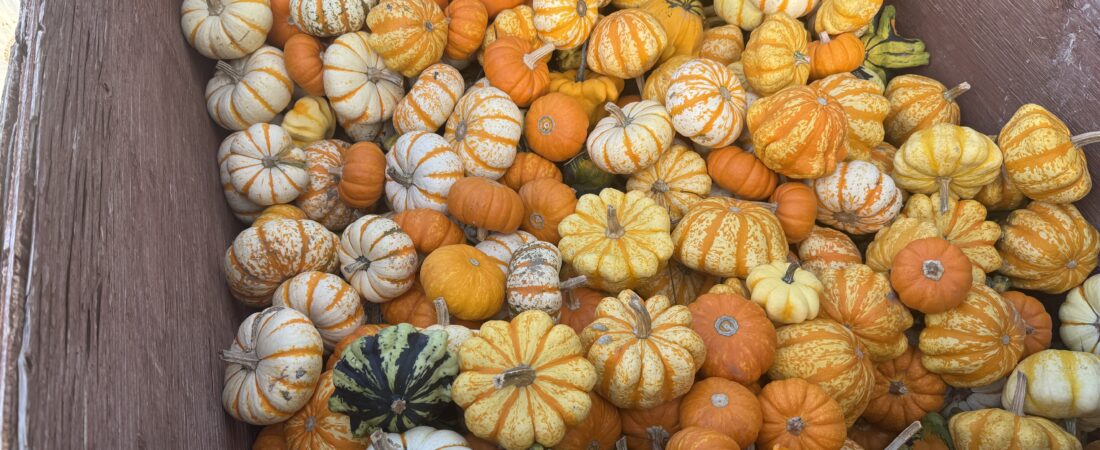
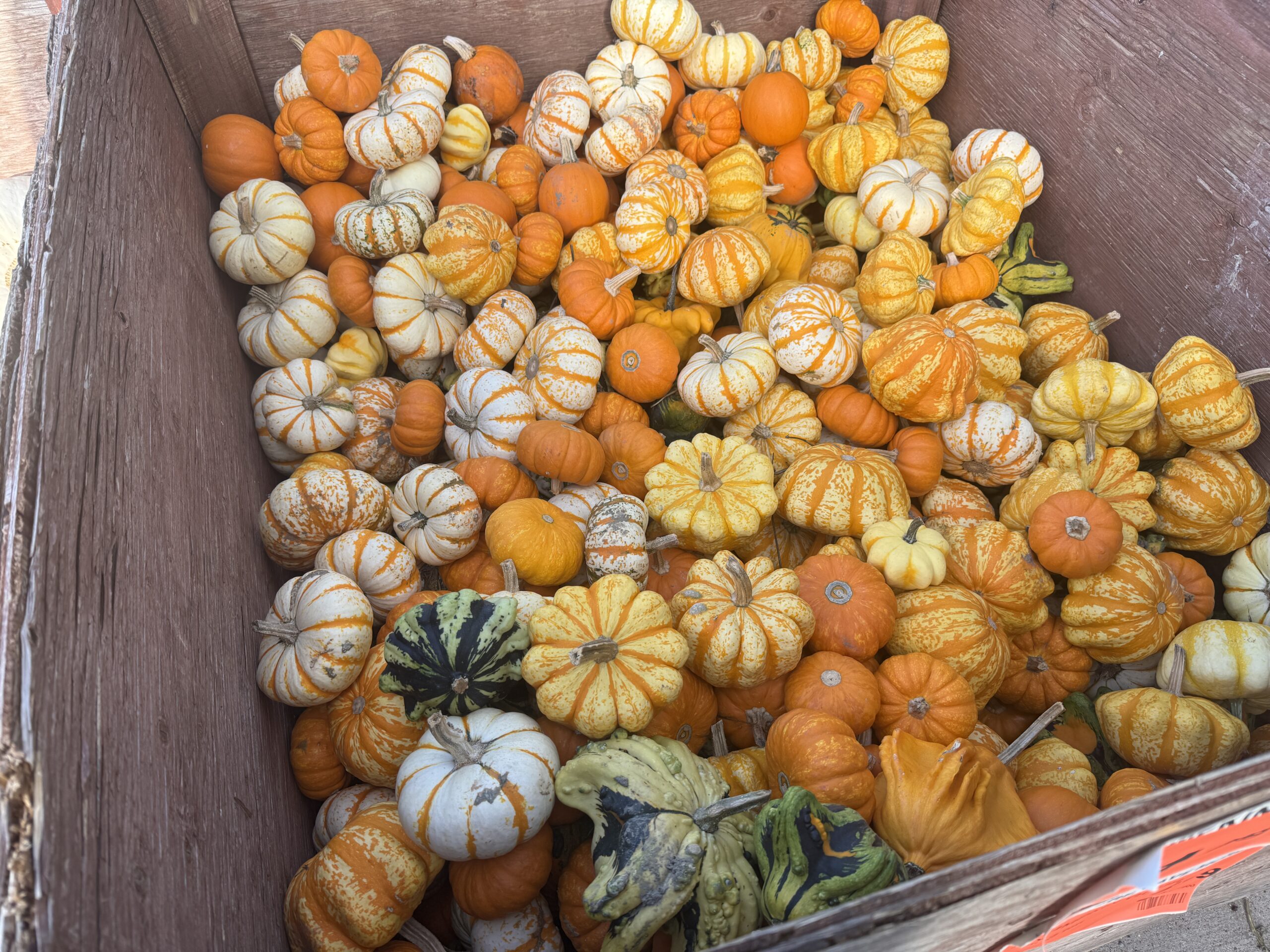
For centuries farmers have carefully selected and carried out selective breeding, which has led to certain plants being isolated because of the particular physical characteristics they show. They preferred small size, odd shapes, and vivid, striking colours of pigmentation. This intentional interference by humans has resulted in the great variety that we now see, including the small, fluted Jack-Be-Little pumpkins and the porcelain ivory Baby-Boo varieties as well as the knobby, warty, bumpy and winged gourds.
Global Cultivation and Primary Regions
Nowadays, these ornamental pumpkins, which are grown fresh on farms, are produced all over the world, but the greatest amount of them is grown in North America, especially in the United States and Canada. The large agricultural area called the American Corn Belt—including states like Illinois, Indiana, Ohio, and Pennsylvania—has the highest number of pumpkin patches and specialist farms. Illinois is by itself the leading state in terms of commercial cultivation, with thousands of acres of different heirloom and decorative types being grown each harvesting season.
In Western Europe, the main growing areas have set up a solid foothold in the market. The Netherlands, Germany, France, and the United Kingdom are all known for growing large areas of variegated, striped, and multi-toned miniatures. The growers in these countries feed into extensive wholesale distribution systems and retail markets in order to meet the huge demand for seasonal autumn decoration, rustic centerpieces, and festive Halloween or Thanksgiving displays.
A practice based on long-standing tradition
A custom that has its origins in history
The habit of decorating with ornamental cucurbits, curved-neck gourds, and small squashes dates back by well over four centuries. Although Native Americans in the past had used dried, woody specimens as ceremonial rattle parts, for making strong birdhouses and as practical kitchen containers, the European settlers soon took up these abundant harvest products and incorporated them into the appearance of their homes in the 17th century. By the 19th and early 20th centuries, when seasonal autumn festivals became widespread among rural farming areas, it became a must to display the chunky, star-shaped, asymmetrical and curled types and this developed into an essential tradition.
At present, this rich cultural custom stands as a symbol of abundance, of family get-togethers, and of the shift into the cooler months. Families regularly prepare outdoor entrance displays, fill rustic crates, set out colourful tabletop arrangements, and make bright wreaths by using these collected and carefully selected botanical treasures. Whether in traditional country homesteads or in modern suburban houses, the practice of showing these textured, bumpy and mottled items continues to serve as a lasting tribute to the earth’s natural seasonal rhythms.
Ideal soil conditions and the requirements for cultivation
In order to grow a large amount of bright, firm and long-lasting ornamental pumpkins, farmers must carefully control the soil composition and the conditions in the field:
Soil texture and drainage: The best growing conditions are in rich, well-draining loam or sandy-loam soil. Since the root systems of cucurbits are sensitive and easily suffer from root rot in heavy, compacted clay, loose and porous soil enables the roots to extend freely and allows proper air circulation.
Nutrient richness and organic matter: By adding large quantities of well-rotted compost, aged manure and nutrient-rich organic matter, the plants receive the necessary nitrogen during the early stage of vine growth, followed by a balanced supply of phosphorus and potassium to encourage strong blossom formation and the development of vibrant, multi-toned skin.
pH levels and temperature: These summer crops grow best in soil that is slightly acidic to neutral, with an ideal pH ranging from 6.0 to 6.8. Warmth is equally important—the soil temperature must reach at least 20°C (68°F) before the seeds are planted, in order to ensure good germination and to prevent the seeds from decaying in moist conditions.
Moisture management and sunlight: Deep and consistent watering at the base of the vine is necessary, with the leaves kept dry to prevent powdery mildew. The fruits need full exposure to direct sunlight (at least six to eight hours each day) so that the developing speckled, striped and fluted ones can achieve the maximum colour intensity, develop thick protective rinds and strong stems before being finally harvested.
Methods of Harvesting, After-Harvest Handling, and Commercial Presentation
Accurate Methods of Harvesting and Curing
In order to achieve the longest possible shelf life and to maintain the bright, attractive appearance of ornamental cucurbits, great care must be taken when harvesting. As autumn draws near, farmers and specialist growers keep a close watch on the vines, waiting until the rinds have hardened fully and the stems have become tough and woody. The harvest has to take place before the first severe frost, since cold temperatures cause the outer skin to soften and lead to quick deterioration.
Using sharp, sanitized shears, the workers cut each item from the vine, making sure to leave a strong, two- to three-inch curly stem attached. This remaining stem not only gives the miniature pumpkins and curved-neck gourds their attractive, rustic look but also stops harmful bacteria from getting into the soft inner part.
After being cut from the field, all the harvested produce goes through an important curing stage. The freshly picked cucurbits are placed in a warm, dry, and well-ventilated area for ten to fourteen days. This curing process enables the rind to harden fully, fills in any small surface scratches, and fixes the vivid, multi-toned, striped, and mottled colouring. After curing, the outer surfaces are gently washed with a mild sanitizing solution to remove any remaining soil from the field, thus avoiding fungal growth and keeping each piece in excellent condition right through the holiday season.
Presentation in the Commercial Sector, Retail Displays, and Current Styling Trends
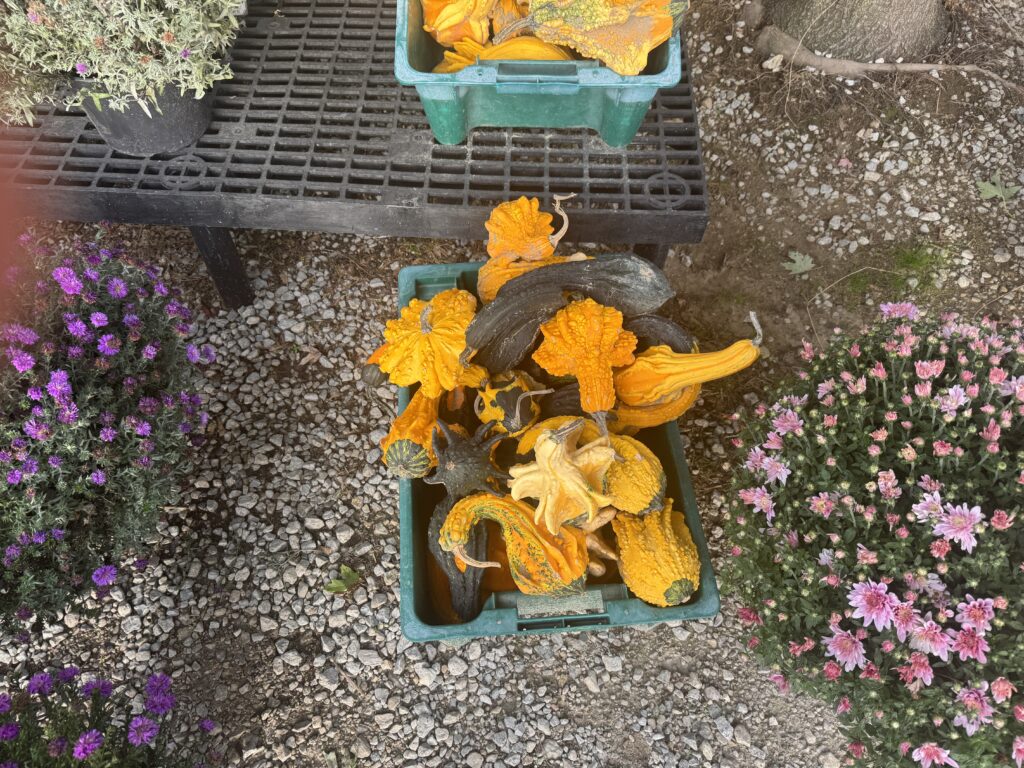
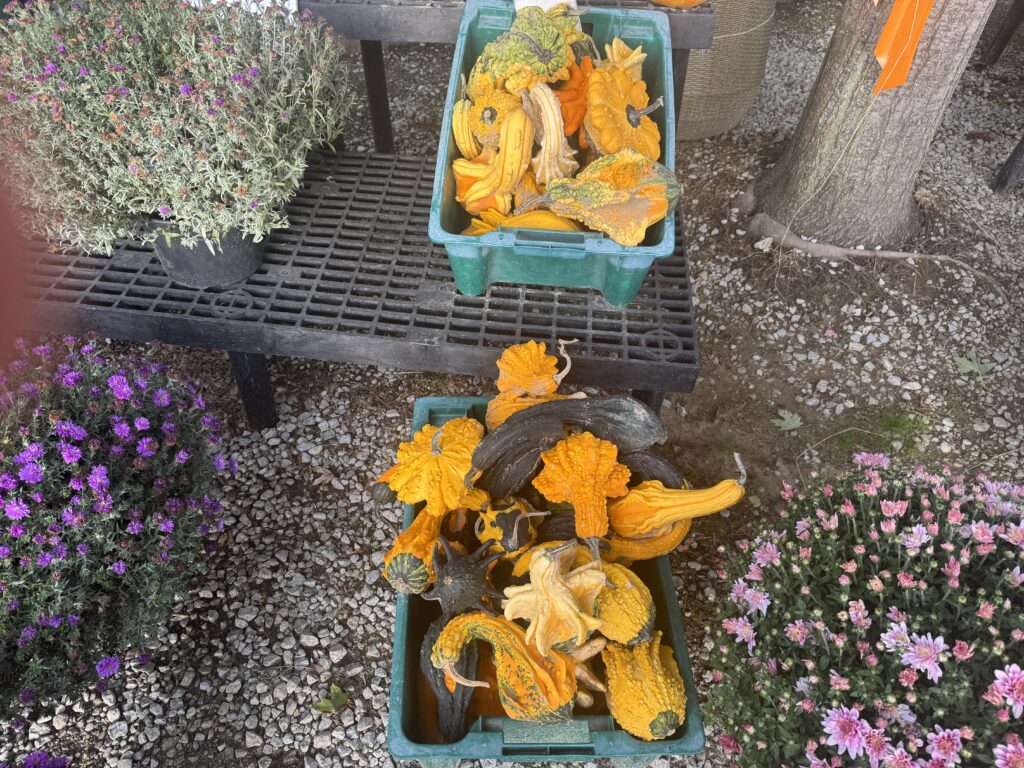
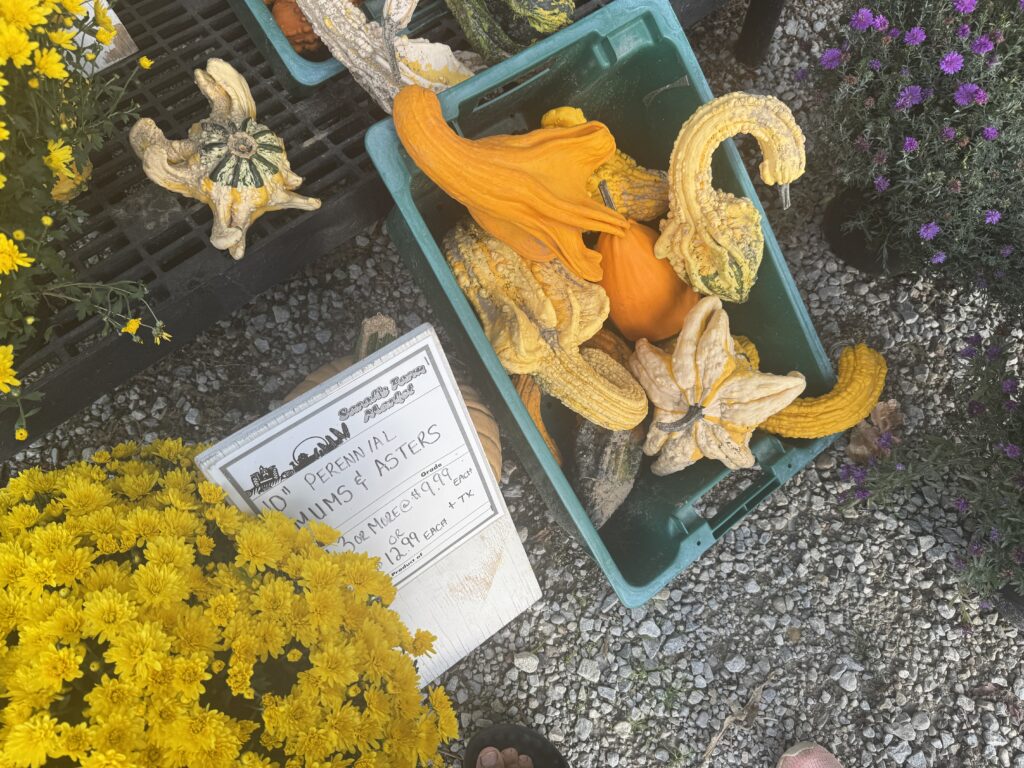
In the commercial field, the way these botanical items are displayed is what stimulates consumer interest and boosts retail sales. At farm-fresh markets, garden centres, and small floral shops, the stock is often arranged in natural wooden crates, woven baskets, or open-air displays, accompanied by other autumn flowers such as bright yellow mums and deep purple asters.
By combining shapes that contrast with one another—such as the fluted Jack-Be-Little types, the porcelain-white Baby-Boo varieties, and the star-shaped, knobby, or winged gourds—a striking visual texture is created, which attracts shoppers. Retailers usually provide pre-packed mixed bags or themed sets in addition to individual bulk options, so as to meet a variety of customer tastes.
Beyond being used as standalone decorations, these durable ornamental plants have become essential elements in DIY crafting and in the design of high-end seasonal events. Event planners and people who enjoy home decoration regularly include them in elaborate Thanksgiving table arrangements, welcoming displays on the porch, mantelpiece displays, and rustic wedding centrepieces. Because of their exceptional longevity, their remarkable physical variety, and their rich cultural background, these special autumn gifts continue to be a much-loved part of seasonal celebrations from year to year.
This section completes the entire series of texts with a rich and distinctive English vocabulary! If you need any more help or further adaptations, please feel free to let me know.
Article Reference & Credits
Publisher & Media Owner: Canadian Newz (https://CanadianNewz.com)
Content Creator / Author: Canadian Newz
Photography Credits: All photographs and visual media featured in this article were captured by Canadian Newz and are protected under copyright.
Licensing & Usage: No part of this text or image content may be reproduced, republished, or redistributed without explicit written permission and proper source attribution back to Canadian Newz