
Exploring the Harmony of Urban Living and Scenic Public Spaces
Now, in an age when modern urban development tends to be rapid and overwhelming, the importance of well-designed public spaces has never been greater. Everywhere around the world cities are giving greater priority to incorporating green parks, pedestrian paths, and cultural monuments into residential areas. This careful method of urban planning doesn’t just improve the visual appeal of a neighborhood but also makes a substantial difference to the well-being and quality of life of local residents.
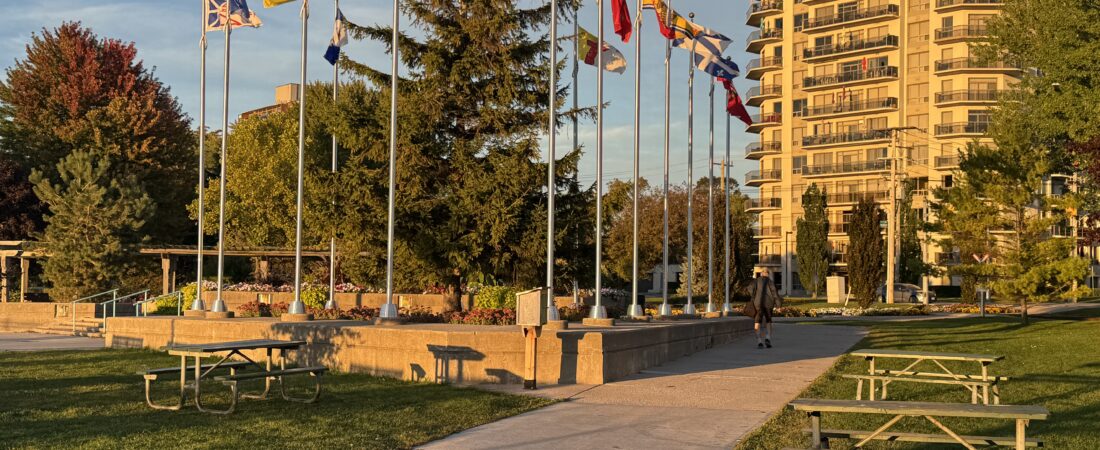
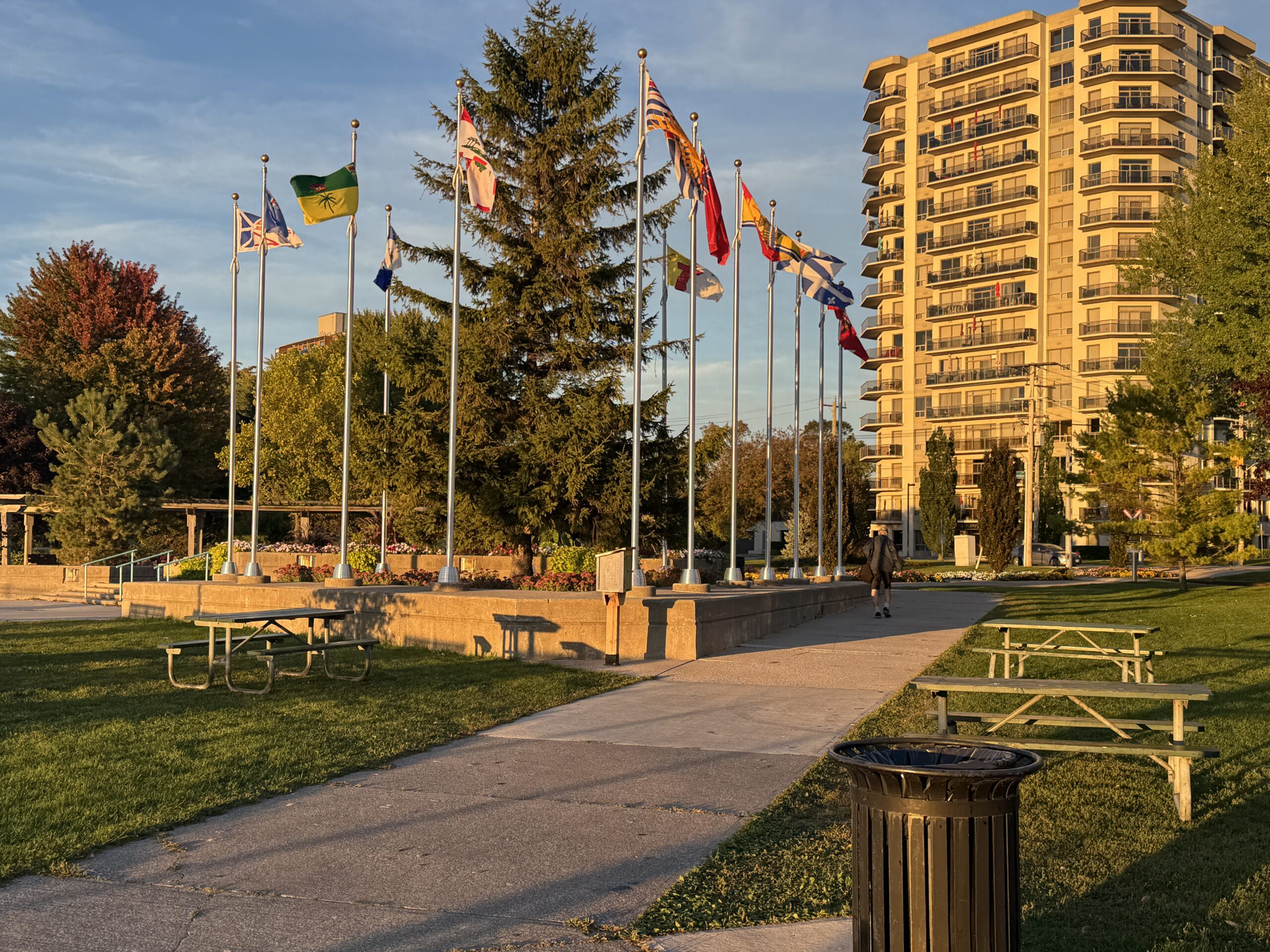
If you go into a well-designed city park, you quickly realise that nature and modern architecture can exist in perfect balance. The clean concrete paths lead people through the rich, green lawns, and there are comfortable picnic benches which encourage people to stop, relax and enjoy the scenery. Behind the scene, the high-rise residential buildings stand as a reminder of the lively city life, forming a striking contrast with the calm natural setting. These kinds of areas provide city residents with a peaceful place of retreat right next to their homes, thus connecting their busy daily lives with the soothing effect of outdoor green spaces.
In addition to their visual attractiveness, public parks generally act as centres of community identity and pride. Putting up regional flags or national symbols along the main walking routes gives the landscape a rich cultural dimension and demonstrates the area’s history and diversity within the public space. Such outdoor areas promote a strong feeling of belonging and help to encourage people to interact with one another, to be physically active and to enjoy their free time. Whether one is taking a walk in the early morning along the paths illuminated by the golden sunlight or simply spending a quiet afternoon outside, well-kept municipal areas play an essential role in creating healthy, connected and sustainable modern cities that everyone can enjoy.
Exploring the Harmony of Urban Living and Scenic Public Spaces
Now, in an age when modern urban development usually seems rapid and overwhelming, the importance of well-designed public spaces has never been greater. Everywhere around the world cities are placing more emphasis on incorporating green parks, pedestrian paths, and cultural monuments into residential areas. This considered method of urban planning doesn’t just improve the visual appearance of a neighborhood but also makes a significant difference to the well-being and quality of life of local residents.
If you go into a city park that has been well designed, you quickly realise that nature and modern architecture can exist in perfect harmony. The clean concrete paths lead people through the rich, green lawns, and there are comfortable picnic benches which encourage people to stop, relax and enjoy the view. The tall high-rise residential buildings in the background act as a reminder of the lively atmosphere of the city, producing a striking contrast with the calm natural setting. These kinds of areas provide city residents with a peaceful place of retreat right next to their homes, thus helping to bridge the gap between their busy daily lives and the soothing effect of outdoor greenery.
Apart from their visual attractiveness, public parks generally act as centres of community identity and pride. Putting up regional flags or national symbols along the main walking routes gives the landscape a rich cultural dimension and helps to honour the area’s history and diversity in the public space. Such outdoor areas promote a strong feeling of belonging and thus encourage people to interact with one another, to be physically active and to enjoy leisure time. Whether one is taking a walk in the early morning along the paths illuminated by the golden sunlight or simply spending a quiet afternoon outside, well-kept municipal areas carry an essential role in creating healthy, connected and sustainable modern cities that everyone can enjoy.
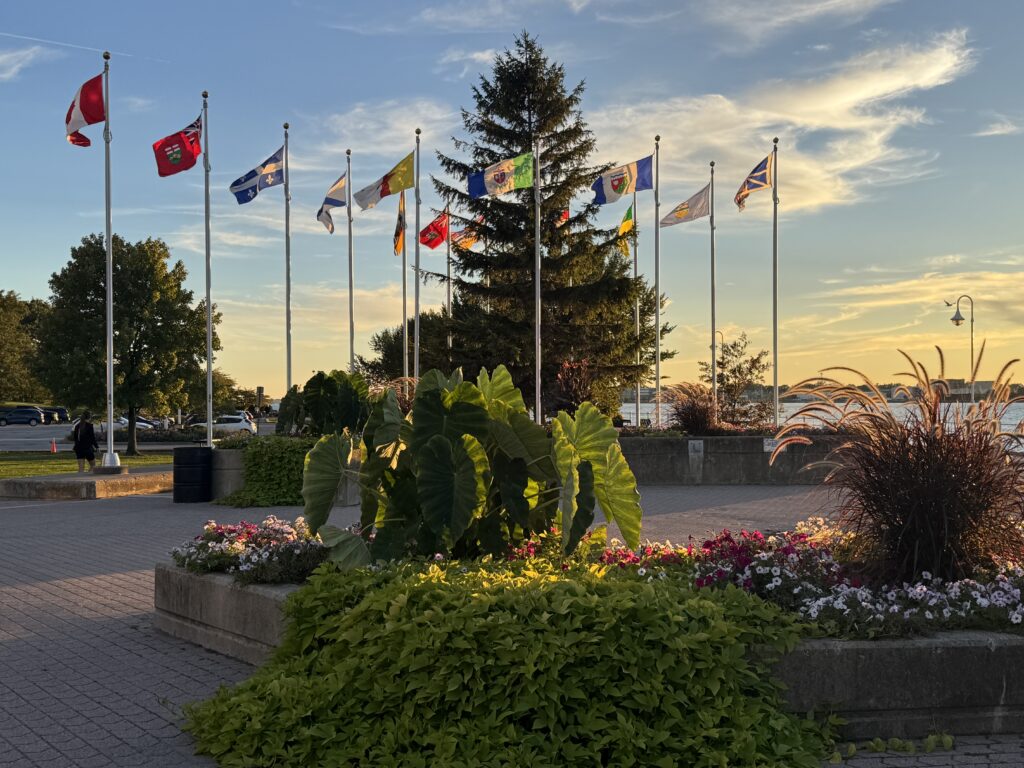
The combination of civic pride, scenic views of the waterfront, and botanical artistry is a notable feature of coastal and riverside towns. Where civic monuments are placed along open shorelines, ordinary harbour views are turned into lasting landmarks that convey a sense of unity and cultural identity. The presence of a striking line of tall flagpoles showing national, provincial, and territorial flags gives the plaza a highly inspiring character against the vast open sky. As the evening sun starts to sink below the horizon, golden daylight shines on the waving flags, producing a warm and magnificent illumination over the whole area.
The horticultural skill displayed around these monuments also enhances the visitor’s experience. The raised stone planter beds are carefully arranged with layers of contrasting plants, including broad tropical leaves, feathery ornamental grasses, and thick carpets of brightly coloured flowering annuals. Large, fan-shaped green leaves form the centre of the displays, while soft crimson and pale violet flowers add a lively touch to the front of the arrangements. The ornamental grasses move gently in the coastal wind, introducing a sense of movement and texture to the otherwise static stone and metal structures.
This intentional blending of rich botanical gardens with peaceful views of the water produces a multi-sensory setting suitable for relaxation. The sound of the water at a distance, together with the rustling of the leaves and the wind passing through the flag material, forms an engaging atmosphere in which people can escape from the stresses of everyday life. These waterfront plazas function not only as attractive locations for casual evening strolls and photography, but also as symbolic meeting places that honour the community’s heritage against the stunning background of nature.
In the end, well-organized waterfront parks show how careful urban planning can bring together civic symbolism, environmental beauty, and public access. By maintaining access to the shoreline and enhancing it with artistic greenery and significant monuments, cities establish enduring public retreats that have a strong impact on both local residents and visitors from elsewhere.
Conclusion: Architectural Synthesis and the Future of Urban Sanctuaries
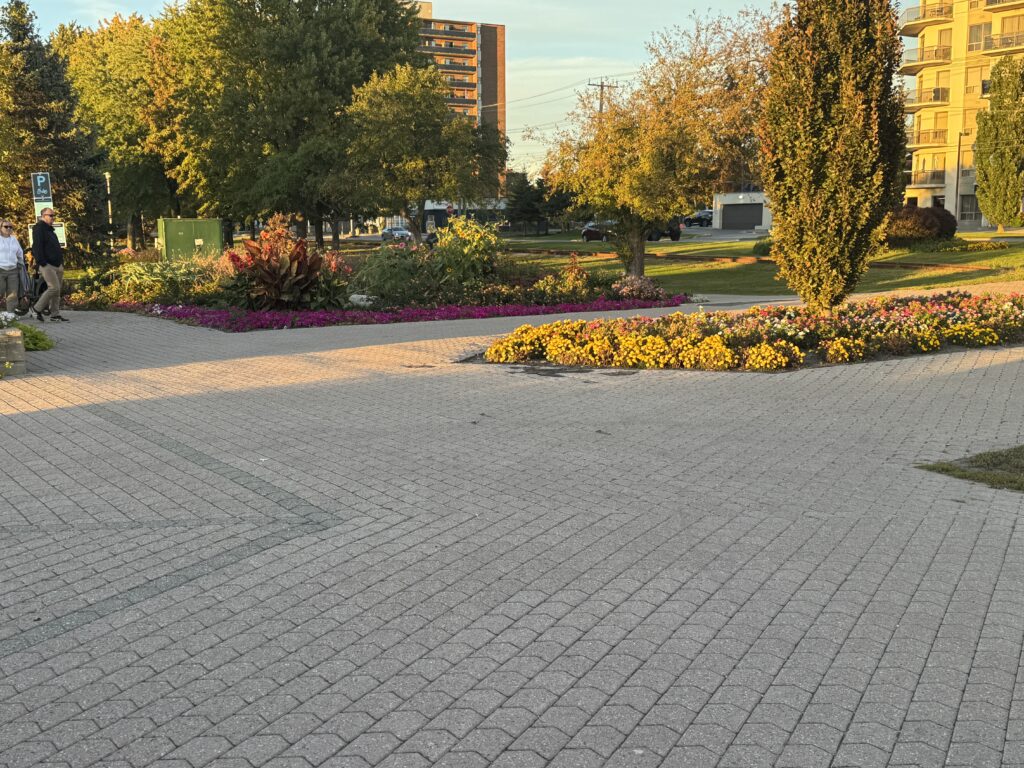
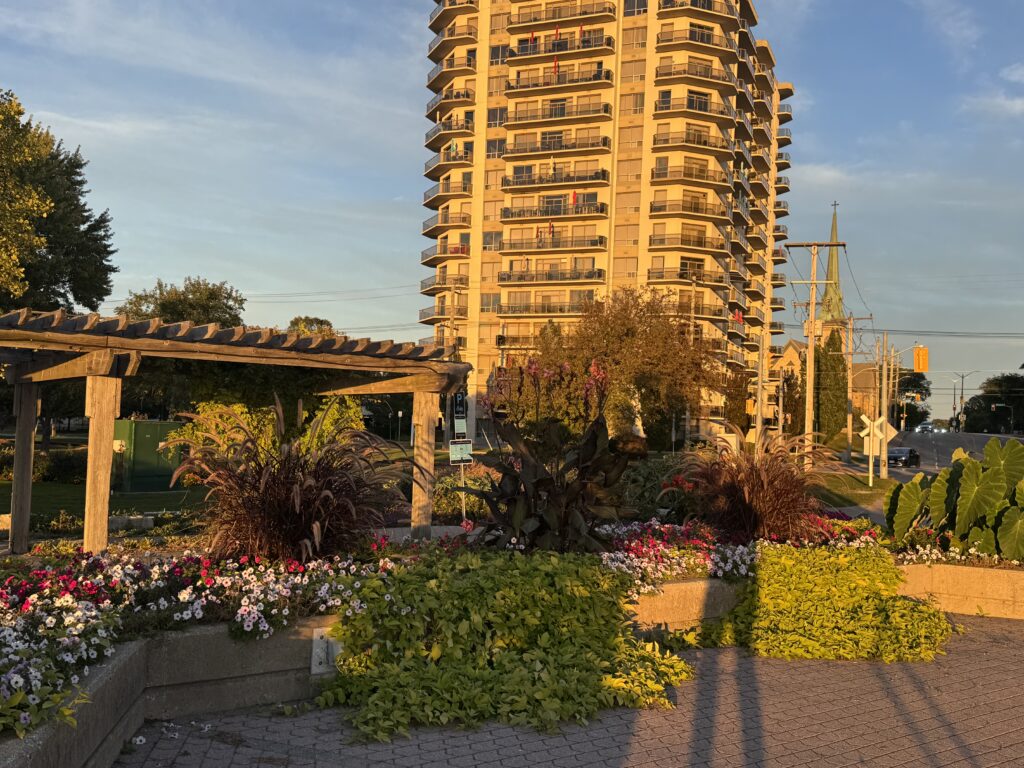
The combination of simple wooden buildings, extensive plantings, and tall residential buildings is a clear example of how modern city planning has evolved. Pergolas made of wood that are incorporated into the beds of public gardens provide a pleasant practicality by offering shaded areas to rest in and at the same time highlighting the scenic views of nearby neighbourhood landmarks. Positioned beside modern high-rise apartments and ancient church spires that rise into the twilight sky, these garden plazas serve as a link between traditional heritage and current suburban development.
As cities continue to grow, it has become essential to keep spaces that focus on human comfort, environmental beauty, and the well-being of the community. The warm evening sunlight bouncing off the golden concrete facades shows the way in which careful landscape design helps to soften the effect of dense urban buildings. Groundcovers that flow down from the ground, leaves of a plum colour, and subtle floral details demonstrate the therapeutic effect of placing natural habitats directly into residential areas.
Putting money into lively municipal parks brings long-term benefits for both environmental sustainability and public health. These peaceful retreats encourage city residents to slow down, reestablish a connection with their environment, and enjoy the quiet beauty of the changing seasons. By bringing together residential infrastructure, historical architecture, and thriving botanical landscapes, progressive communities create accessible sanctuaries in which civic pride, relaxation, and sustainable living can meet gracefully for generations to come.
Article Reference & Credits
Publisher & Media Owner: Canadian Newz (https://CanadianNewz.com)
Content Creator / Author: Canadian Newz
Photography Credits: All photographs and visual media featured in this article were captured by Canadian Newz and are protected under copyright.
Licensing & Usage: No part of this text or image content may be reproduced, republished, or redistributed without explicit written permission and proper source attribution back to Canadian Newz