
Modern logistics operations depend on accurate planning, strict safety rules, and the use of heavy machinery to transport millions of tons of goods around the world each day. This applies to large distribution centres and shipping ports as well as local storage areas; complex supply chains rely on smooth and efficient operation. Yet when something goes wrong in an industrial environment, the results are seldom small. A single mistake in operations, a machine failure, or a failure to make the right judgment can trigger a chain reaction that leads to massive loss of inventory, serious structural damage, and financial losses amounting to millions of dollars. It is therefore essential for managers, machine operators, and safety coordinators to understand the reasons behind major logistics failures—and how workplace safety standards are in place to prevent them.
- The Physics of Heavy Equipment: Grasping the Stability Triangle
Forklifts, reach stackers, and heavy cranes are the main types of equipment used in today’s warehouses. Nevertheless, operating such heavy machinery requires a solid understanding of physical principles and how loads are distributed.
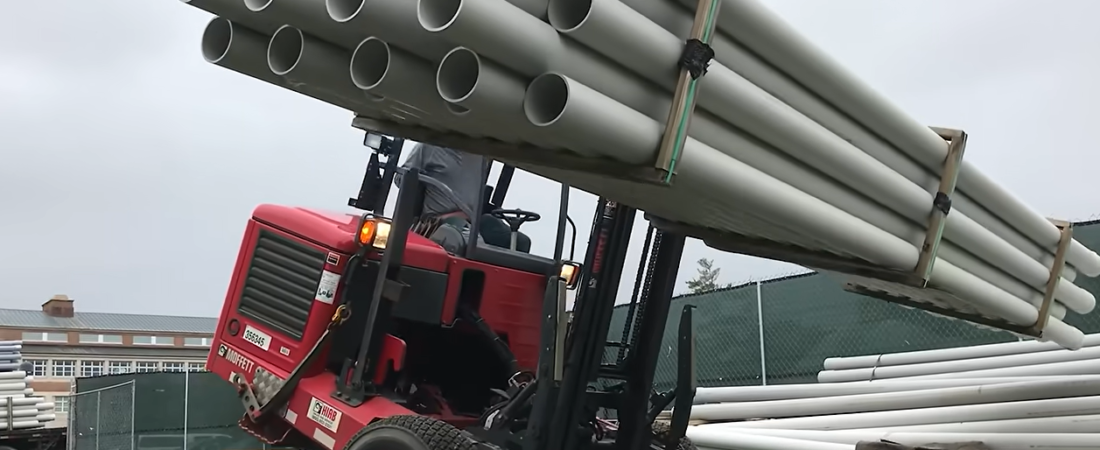
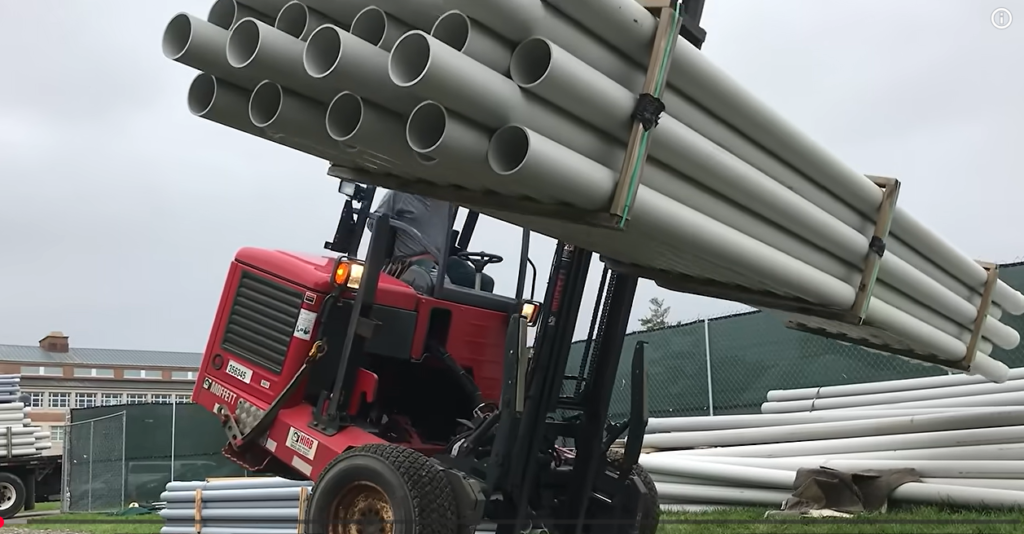
One of the most basic ideas in material handling is the forklift stability triangle. Unlike ordinary four-wheeled passenger cars, a three- or four-point forklift has a narrow centre of gravity that is supported by the front axle and the pivot point of the steering axle. When the machine lifts a load, its dynamic centre of gravity moves forward.
Common Mechanical and Handling Dangers:
— Overloading Beyond Capacity: Going beyond the machine’s maximum weight limit causes a big shift in the centre of gravity and increases the risk of the machine tipping over forwards.
— Traveling with Elevated Forks: Moving across warehouse floors with the forks raised or the boom extended makes the machine less stable, so that small bumps or uneven floor surfaces can become hazards that cause it to tip over.
— Making Rapid Directional Changes: Taking sharp turns at high speed produces centrifugal forces that can easily cause a fully loaded forklift to slide or roll sideways.
— Hydraulic System Failure: High-pressure hydraulic lines, due to wear and tear, can burst during operation, causing a sudden loss of control over the load or an immediate failure of the mast.
- Structural Integrity: Rack Collapses and Exceeding Weight Limits
High-bay pallet racking systems enable warehouses to make the most of vertical space. Although these steel structures are designed to carry enormous weights, they are very sensitive to incorrect load distribution and physical impact.
When a forklift mast hits an upright support column, the structural integrity of the entire rack system can be damaged. In serious cases, a small impact can cause a domino effect, with the collapse spreading over thousands of square feet.
Key Factors in Storage System Failures:
— Unbalanced Weight Distribution: Placing heavy pallet loads on the upper shelves while leaving the lower levels empty makes the racking framework unstable.
— Failure to Secure Pallet Racks: Racks that are not properly anchored to the floor slab are much more likely to fail structurally when subjected to dynamic loads.
— Ignoring Weight Class Specifications: Loading individual beam levels beyond their certified limits causes structural deformation, which eventually results in a sudden collapse.
— Vibration and Environmental Factors: External vibrations, nearby heavy rail activity, or seismic events can cause improperly stacked goods—such as liquid containers or bottled items—to shift and create dynamic load imbalances. - Hazardous Materials and the Risks of Fire Suppression
Warehouses often store flammable materials, pressurized containers, and volatile substances. In such densely packed environments, a small mechanical spark or a damaged utility pipe can quickly turn into an emergency.
Industrial fires and damage to fire suppression systems present serious problems. Fires in industrial facilities require immediate and well-organized response procedures. Such fires may be caused by electrical short circuits, static electricity near fuel sources, or by external industrial accidents, and they can result in severe losses.
Moreover, accidental damage to the overhead fire suppression system creates its own set of issues. If an operator hits an overhead sprinkler valve or the main line, hundreds of gallons of water can be released instantly. In automated environments that contain sensitive electronics or dry goods inventory, the water damage from burst suppression pipes can be just as costly as a local fire. - Human Factors: Overcoming Complacency and Operator Fatigue
Even with the most advanced machinery and certified infrastructure, human error is still one of the main causes of industrial accidents.
The Psychological Trap of Routine Hazards
Experienced equipment operators are often caught in a state of complacency. As routine tasks become familiar, workers may begin to skip pre-shift inspections, ignore blind-spot checks, or turn off safety interlocks in order to save time.
Routine Tasks → Greater Familiarity → Reduced Awareness of Hazards → Unplanned Risks
Dealing with workplace fatigue and distraction
Lack of a spotter: Trying to move excessively large cargo, multi-ton logs, or stacked shipping containers without having a dedicated spotter leads to serious blind spots.
Distracted driving: When driving around loading docks or along warehouse aisles without frequently checking the mirrors or keeping a close eye on pedestrian walkways, collisions with fixed structures or with other vehicles occur.
Incorrect rigging practice: Giving complex rigging or lifting tasks to people who do not have special training often causes loads to be dropped and results in damage to crane equipment. - Strategies for mitigation and prevention in modern logistics
To prevent expensive incidents in the warehouse it is necessary to adopt a multi-faceted approach that combines technology, strict maintenance schedules, and ongoing training.
Safety focus area Implementation strategy Operational benefit
Machinery maintenance Scheduled checks of the hydraulic, brake, and electrical systems Prevents mechanical failures during a lift
Structural audits Regular inspections of the racks for dents, rust, or shifts in alignment Reduces the risk of cascading collapses
Operator certification Continuous training on load limits and safety triangles Lowers the amount of human error and risky actions
Facility infrastructure Fitting in heavy-duty column guards and rack protection Protects the important supports from collisions with forklifts
By focusing on strict safety standards, carrying out regular equipment audits, and promoting a culture in which safety is given priority over speed, logistics operations can protect their staff, keep their inventory safe, and avoid major operational disruptions.
REFERENCES:
Video: Most Expensive Warehouse Fails Caught on Camera
Source: #Mind Warehouse, (published on: 2026-09-02)
Summary: The collection focuses on warehouse and logistics accidents that result from operator errors, equipment failures, and structural shortcomings, and it shows typical workplace safety hazards such as forklift overfalls caused by a high centre of gravity, large rack collapses resulting from overloaded shelves or a vehicle collision, hydraulic hose bursts when heavy loads are lifted, damage to fire suppression lines, and mistakes involved in handling maritime containers. The video stresses how important it is to provide proper training for equipment, observe the load limits of structures, and follow industrial safety procedures in order to avoid severe loss of inventory and damage to the facility.